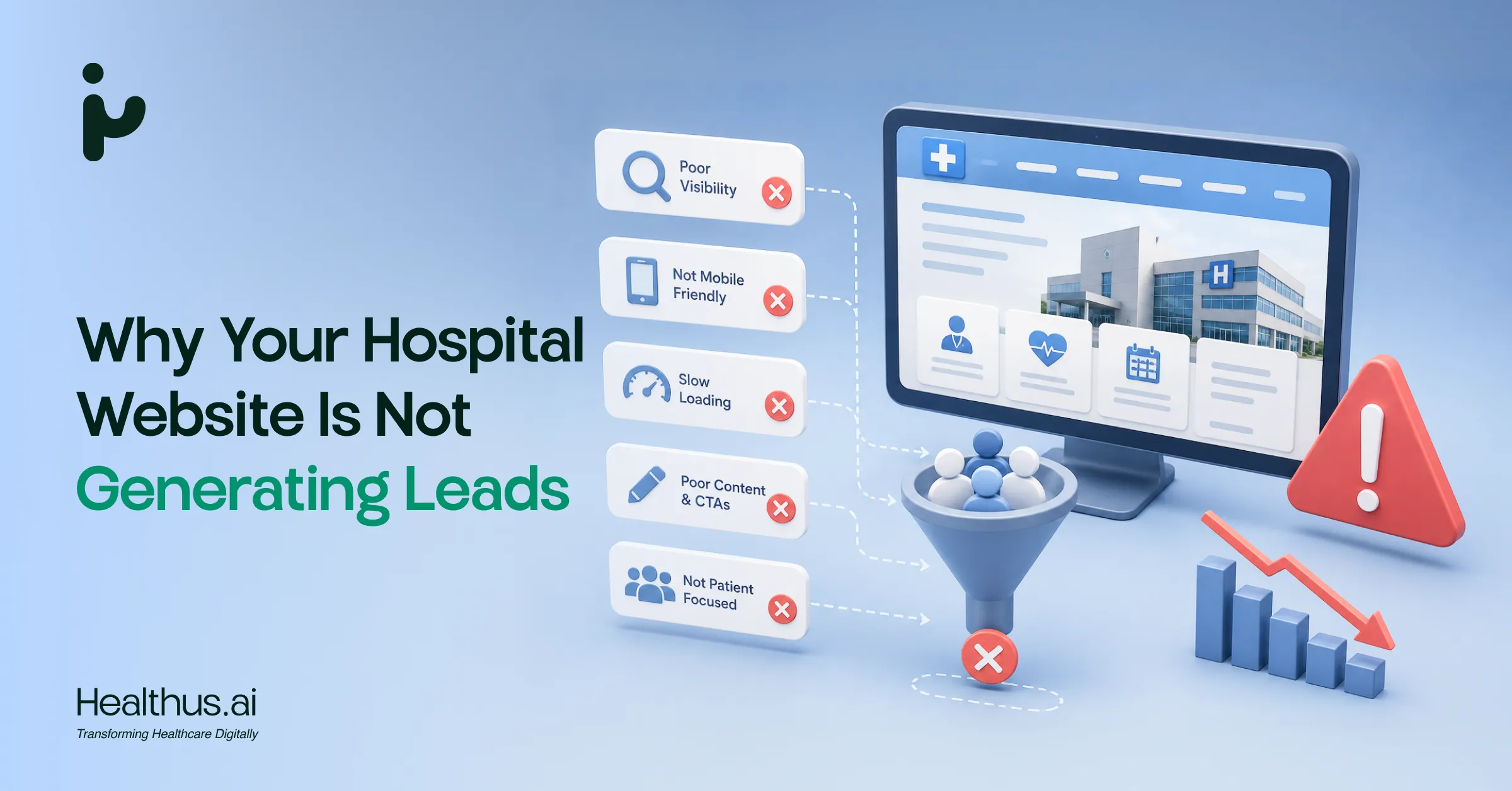








Your website is often the first thing a patient sees before they ever step into your office. A well-constructed, professional online presence can significantly impact the difference between a fully booked appointment calendar and an unoccupied waiting room. But not every web design agency understands the unique demands of healthcare and hiring the wrong one can cost you far more than just money.
Before you sign a contract with any medical web design company, here are the questions you need to ask.
1. Does the Web Design Company Have Experience in Healthcare?
This is your starting point. Medical website design is a different world compared to building a retail website. Healthcare websites need to balance trust, compliance, and patient experience all at once.
When reviewing an agency, ask:
- Can you show me examples of healthcare websites you’ve built?
- Have you worked with practices in this specialty?
- Do you have case studies showing real results?
A company experienced in website design for medical doctors will already understand patient intake flows, how to display credentials convincingly, and what it takes to convert a website visitor into a booked appointment.
2. Is the Medical Website HIPAA Compliant and Secure?
HIPAA compliance refers to adhering to the Health Insurance Portability and Accountability Act standards that protect patient health information by ensuring its privacy, security, and confidentiality in healthcare systems and digital communications.
This one is non-negotiable. If your website collects any patient information through contact forms, appointment requests, or telehealth portals, it must comply with HIPAA regulations. A medical website design company that isn’t across these requirements is a serious liability.
Questions to consider:
- How do you handle forms that collect patient data?
- Is your hosting environment HIPAA-compliant?
- Will you sign a Business Associate Agreement (BAA)?
3. What SEO Strategy Do They Use for Medical Websites?
A polished website that nobody finds is a wasted investment. SEO needs to be part of the strategy from day one, not bolted on later. Before committing to any medical web design company, it is important to understand their approach:
- Do they research keywords relevant to your speciality and location?
- Will the site have relevant heading structure and schema markup for medical practices?
- Is the build mobile-first? (Most healthcare searches happen on phones.)
- How do they approach page speed and Core Web Vitals?
Notably, if SEO feels like an afterthought in their pitch, it will be an afterthought on your website too.
4. Will the Website Reflect Your Medical Practice Brand?
Your website should feel like a genuine extension of your practice, not a recycled template with your logo swapped in. The best agencies take time to understand who you are before they start designing.
Questions worth asking here:
- Will you write the content, or do I need to provide it?
- How do you make a site feel warm and approachable without losing clinical credibility?
Website design for a medical practice works best when it speaks directly to your ideal patient, not a generic audience.
5. What Ongoing Website Support and Maintenance Do They Provide?
Launching your website is the beginning, not the end. Algorithms change, technology evolves, and your practice will grow. A reputable agency should offer support beyond the launch day.
Find out:
- What’s included in a monthly maintenance plan?
- Do they monitor security and apply updates automatically?
- Is content support like adding blog posts or new service pages included or billed separately?
Clarity here tells you a lot about whether they’re thinking about your long-term success or just the next invoice.
6. Can They Show Real Results from Medical Website Projects?
A polished portfolio is valuable, but it’s even more important to understand how that work has performed. Ask for specific results and measurable outcomes to evaluate effectiveness.
Can you share before/after traffic or engagement data that has worked for healthcare digital marketing?
Do you track conversion rates, not just design metrics?
Agencies that specialise in designing websites for physicians understand that results matter more than aesthetics. If they can’t back up their work with numbers, that’s worth noting.
7. What Is the Cost and Timeline for Medical Website Development?
When reviewing pricing, it is important to clarify the following:
- What’s included versus what’s billed separately?
- What does the payment schedule look like?
- What’s a realistic launch date and what could delay it?
Choosing a medical website design company is not just a vendor decision; it is a long-term investment in how patients discover, evaluate, and trust your practice online. The right partner will think beyond layouts and visuals, aligning design, content, and performance to support real patient journeys. Asking the right questions upfront helps you avoid costly rework later and ensures your website becomes a consistent driver of enquiries, not just a digital placeholder.
Conclusion: How to Select the Best Medical Web Design Partner
The right medical web design partner isn’t just someone who can build a good-looking site. They’re someone who understands the healthcare environment, protects your patients’ privacy, and creates something that actively works for your practice every day.
Choosing the right medical web design company can shape how patients perceive and connect with your brand. Taking the time to ask the right questions ensures you invest in a website that looks good and performs where it matters most. Make an informed decision, not just a quick one. Understand how healthus.ai builds healthcare websites designed for long-term growth and real patient engagement.
FAQs About Medical Website Design
It requires HIPAA compliance, healthcare-specific SEO, and patient trust signals, which are things a generic web designer may not know how to handle.
Most projects take 6 to 12 weeks from kickoff to launch.
No. Individual provider profile pages within one practice website work better for both SEO and patient navigation.
Ask about their healthcare experience, SEO approach, timelines, pricing, and how they balance design with patient conversions.
Look for proven healthcare work, a clear strategy, and a strong balance between effective design and performance.