






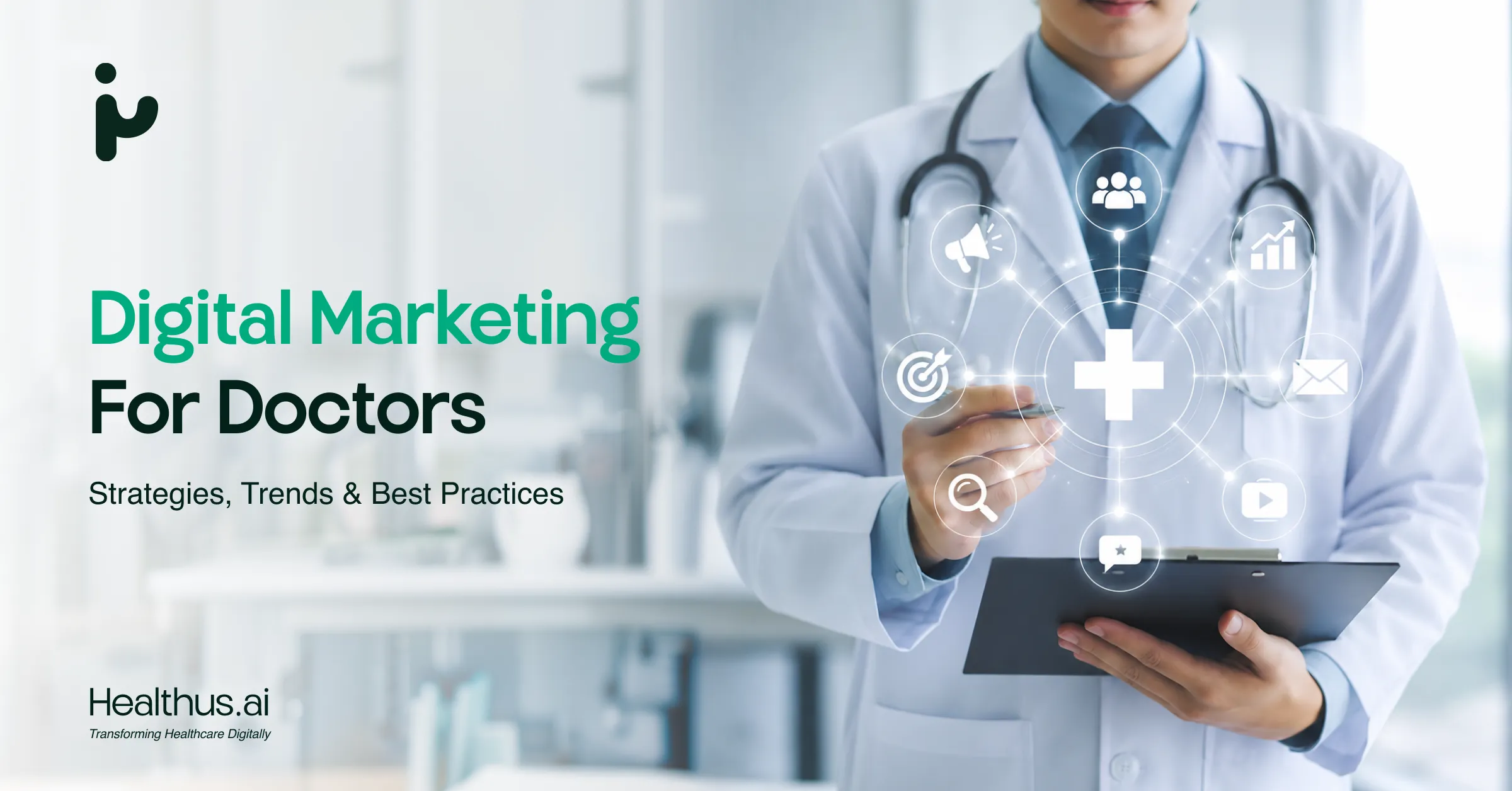
In 2026, digital presence has become a critical factor in how patients choose healthcare providers. Before booking an appointment, patients search online, compare doctors, read reviews, and evaluate credibility through digital touchpoints. This shift has made digital marketing for doctors an essential part of building and growing a successful medical practice.
Medical professionals are no longer competing only on clinical expertise. They are also competing on visibility, trust, and digital authority.
The New Reality of Medical Marketing for Doctors
Patient behavior has changed significantly. Today’s patients act like informed decision-makers. They research symptoms online, compare multiple doctors, and rely heavily on digital validation before making contact.
This makes medical marketing for doctors a structured system rather than a promotional activity. It focuses on building trust before the first consultation even happens.
A strong digital presence now directly influences patient volume and practice growth.
Core Pillars of Digital Marketing for Doctors in 2026
A successful strategy for marketing for physicians in 2026 is built on four key pillars.
1. Search Engine Optimization
Search visibility remains the most powerful driver of patient acquisition. Most patients begin with Google searches related to symptoms or treatments.
Important SEO focus areas include:
- Local SEO optimization for clinics and hospitals
- Condition-based landing pages
- Optimized Google Business Profile
- Structured medical content
- Authority building through backlinks
Search engines now prioritize experience, expertise, and trust, making credibility a key ranking factor.
2. Educational Content Strategy
Patients want clarity before committing to treatment. Content plays a major role in building confidence.
Effective content formats include:
- Blog articles explaining medical conditions
- Frequently asked questions
- Treatment guides
- Preventive care information
- Short educational videos
The goal of doctor internet marketing is not promotion but education that builds trust over time.
3. Online Reputation Management
Reputation is one of the strongest decision-making factors in healthcare.
Patients regularly check:
- Google reviews
- Healthcare platforms
- Social media feedback
Best practices include:
- Encouraging satisfied patients to leave reviews
- Responding professionally to feedback
- Maintaining consistent reputation across platforms
- Addressing concerns with transparency
A strong reputation significantly improves conversion rates from online searches.
4. Paid Advertising for Targeted Reach
Paid campaigns help accelerate visibility when used strategically.
Common channels include:
- Google Search Ads for high intent keywords
- YouTube educational campaigns
- Social media awareness campaigns
Successful campaigns focus on education and trust rather than aggressive promotion.
Key Trends in Digital Marketing for Doctors in 2026
- AI-Driven Patient Behavior
Patients increasingly use AI tools before consulting doctors. This makes structured, clear, and authoritative online content more important than ever.
- Hyper Local Search Dominance
Local search results are now highly personalized. Doctors who optimize for local keywords and geographic intent gain a strong competitive advantage.
- Video Based Medical Communication
Video has become one of the most effective formats for patient education. It helps simplify complex topics and builds stronger trust.
- Patient Journey Optimization
Modern digital marketing for physician strategies focus on the entire patient journey rather than single touchpoints. This includes awareness, education, consultation, follow-up, and retention.
- Privacy Focused Digital Engagement
With increasing regulations, ethical marketing and data privacy have become central to healthcare marketing strategies.
Best Practices for Doctor Internet Marketing
To build long-term success, doctors should focus on:
- Consistent content creation instead of viral efforts
- Education first communication approach
- Strong local digital presence
- Patient focused messaging
- Multi-channel marketing strategy
Sustainable growth comes from trust, not promotion alone.
How Healthus.ai Can Help In Medical Marketing
To streamline growth and eliminate guesswork in patient acquisition, platforms like Healthus.ai bring a structured, AI-driven approach to modern medical marketing. Instead of relying on fragmented efforts across SEO, ads, and social media, doctors can centralize their digital growth system, optimizing visibility, improving patient targeting, and enhancing conversion from search to appointment. With data-backed insights and automation working in the background, it allows physicians to focus more on clinical care while ensuring their practice stays consistently discoverable and competitive in a digitally driven healthcare landscape.
Conclusion
In 2026, digital marketing for doctors is no longer optional. It is a core part of building a successful practice. The focus has shifted from simple promotion to building trust, authority, and long-term patient relationships.
Doctors who invest in structured digital strategies will not only increase visibility but also build stronger and more consistent patient inflow in an increasingly competitive healthcare environment.
FAQs
It is the use of online channels like Google, social media, and websites to attract and convert patients.
Patients now search online before choosing a doctor, making digital visibility essential for growth.
A mix of SEO, content marketing, online reviews, paid ads, and local targeting works best.
SEO helps doctors appear in Google searches when patients look for symptoms or treatments.
Yes, it builds trust through education, awareness, and patient engagement.
Yes, they strongly influence patient decisions and increase appointment bookings.
Yes, they bring quick visibility but work best when combined with SEO and content.
Educational content like disease info, treatment guides, and preventive care tips.
AI-influenced patient research and demand for clear, trusted medical information.
It centralizes digital marketing to improve visibility and patient acquisition.